

Dental Bridge Treatment
A dental bridge is a fixed, non-removable way to replace one or more missing teeth. It restores chewing, stops neighbouring teeth from shifting, and improves the look of your smile.
On this page
Overview
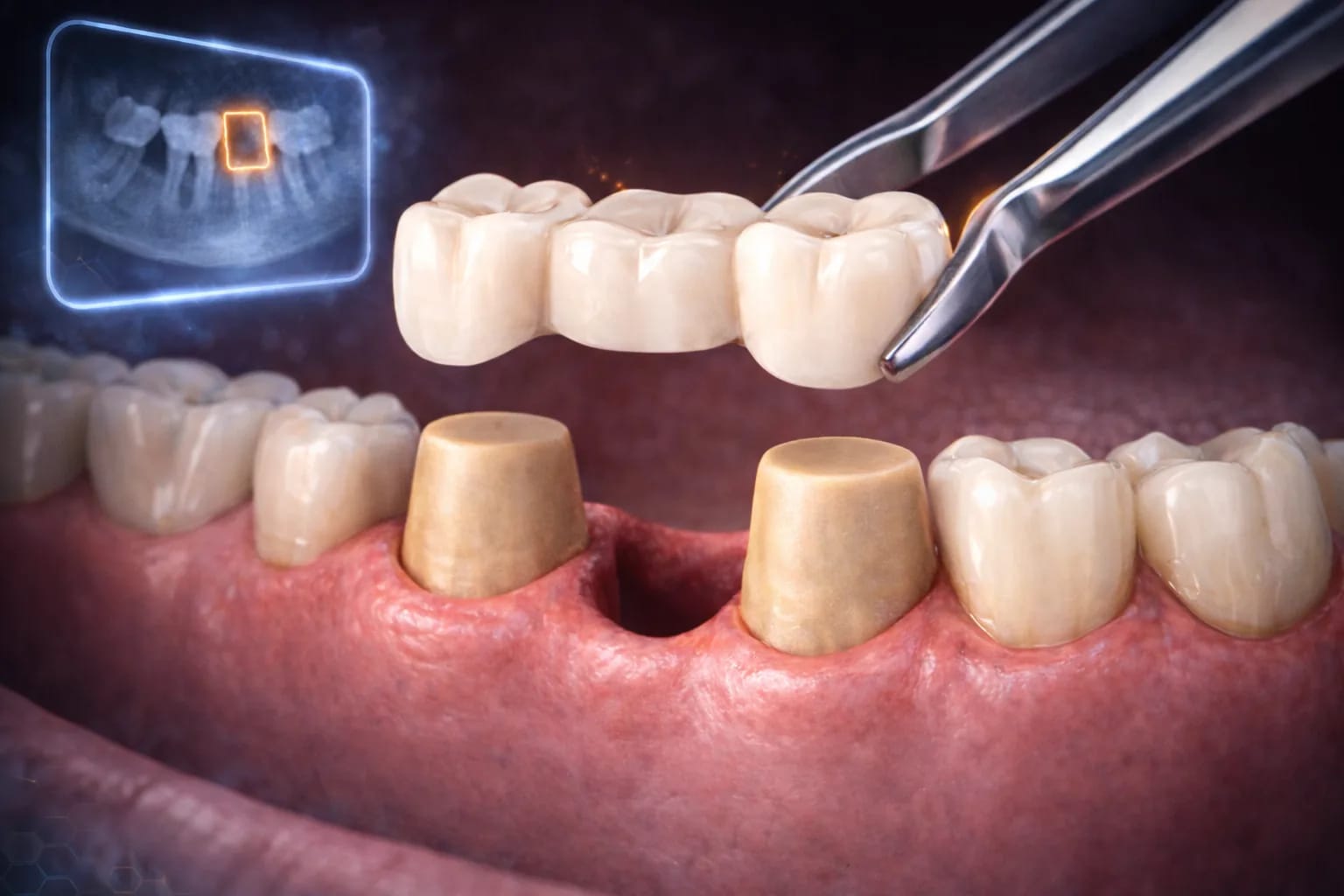
A dental bridge is a fixed dental restoration that replaces one or more missing teeth by “bridging” the gap. The gap is filled with one or more artificial teeth, called pontics. These are held in place by crowns fitted on the teeth or dental implants on either side of the gap. The supporting teeth are known as abutment teeth.
Because a bridge is fixed in place, you can’t take it out. It helps you chew properly again, prevents the teeth next to the gap from drifting, and gives your smile a natural look.
Your dentist may recommend a bridge when one or more teeth are missing and you want a fixed replacement rather than a removable one.
Why you might need a dental bridge
A dental bridge may be recommended when one or more teeth are missing and you want a fixed replacement that stays in place. Common reasons include:
- One or more missing teeth
- Difficulty chewing or speaking
- Neighbouring teeth starting to shift into the gap
- Bite problems
- Concerns about how your smile looks
- Preventing changes to your bone and tooth alignment
Who is a good candidate?
Most people who are missing one or more teeth may be suitable for a dental bridge. You may be a good candidate if you:
- Have healthy teeth next to the gap
- Are not ready for dental implants
- Want a fixed option rather than a removable one
- Have stable gum and bone health
- Want to replace a missing tooth quickly
Types of dental bridges
Traditional dental bridge
Supported by crowns on your natural teeth. It is the most common type, and it is strong and reliable.
Cantilever bridge
Supported on only one side of the gap. It is used in specific cases and is less common today.
Maryland bridge (resin-bonded bridge)
Uses metal or ceramic “wings” that are bonded to the neighbouring teeth. It needs only minimal preparation of those teeth and is best suited to front teeth.
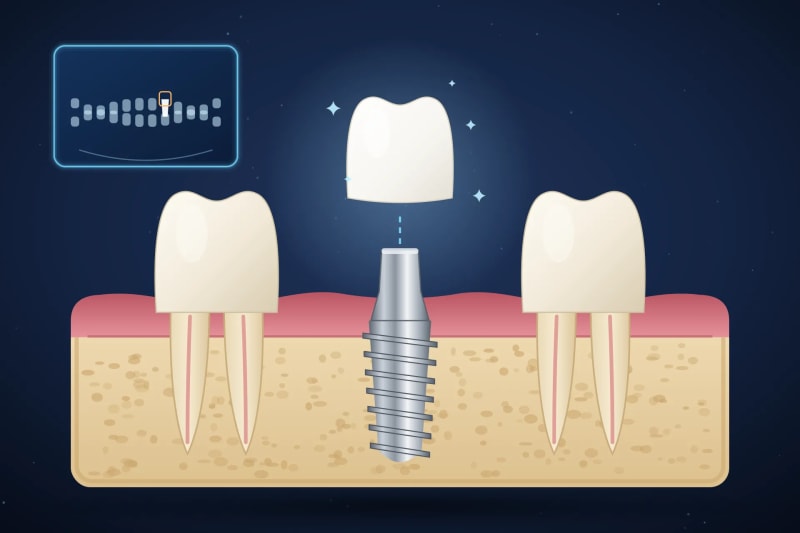
Implant-supported bridge
Held in place by dental implants instead of natural teeth, so your healthy teeth don’t need to be prepared. It is best for several missing teeth and is the strongest, longest-lasting option.
Advantages and risks
Advantages
- Fixed, non-removable solution
- Restores chewing and speech
- Improves the look of your smile
- Faster than implant treatment
- Stops neighbouring teeth from shifting
- Looks and feels natural
Risks (generally low)
- Healthy teeth next to the gap need to be reshaped for crowns
- Decay can develop under the crowns if oral hygiene is poor
- The bridge may need replacing over time
- Bone loss under the missing tooth area continues
How the procedure works
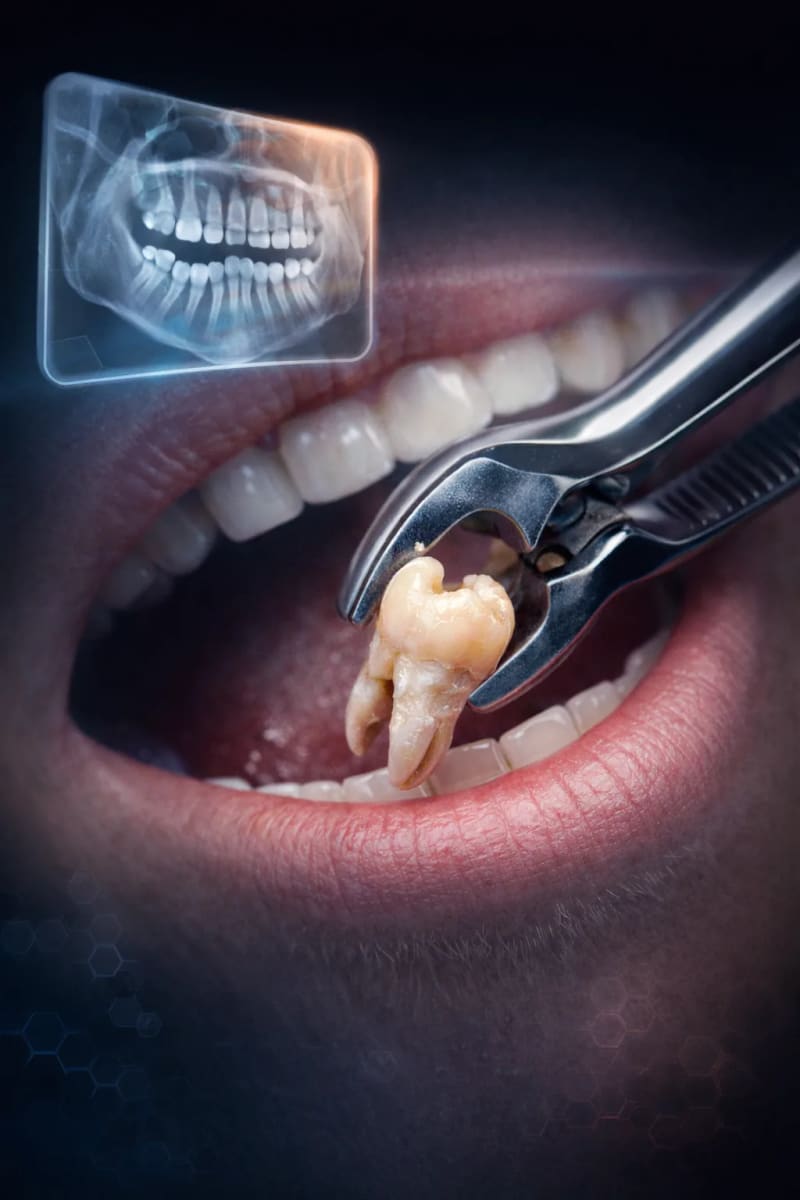
Examination and X-ray
Your dentist examines the area where the tooth is missing. An X-ray or CBCT scan (a 3D X-ray) is used to check your bone, roots and bite, and to decide whether a bridge or an implant suits you better.
With Lumben, your uploaded X-ray can be analysed by our AI-supported system to assess bone support, the health of neighbouring teeth, and whether a bridge or implant-based solution may be most suitable, before your clinical visit.
Tooth preparation (if needed)
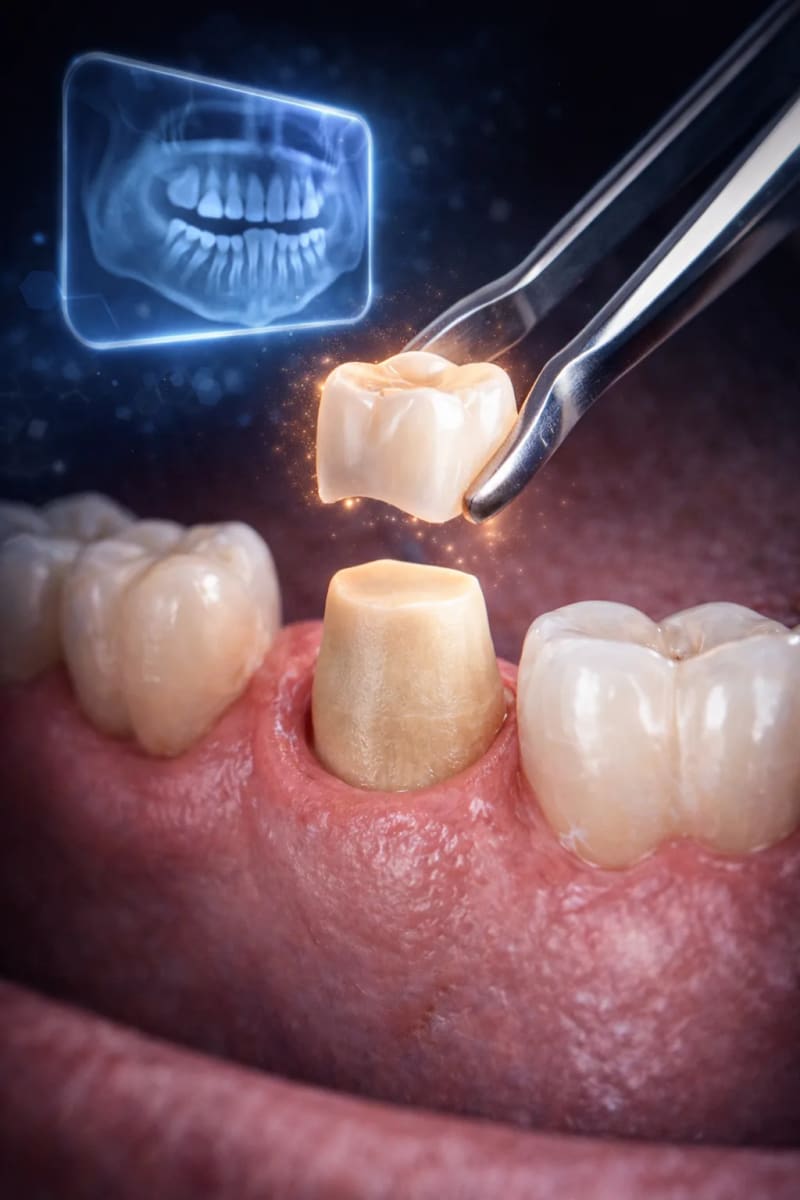
The teeth next to the gap are reshaped so crowns can fit over them. Any old restorations or decay are removed, and a core build-up may be placed if needed.
Digital scan or impression
Your dentist takes a digital intraoral scan or an impression of your teeth. Your bridge is then custom designed, with its shade and shape matched to your natural teeth.
Temporary bridge
A temporary bridge is placed to protect the prepared teeth and let your teeth keep working while your permanent bridge is being made.
Final bridge placement
Your permanent bridge is fitted and adjusted, your bite is checked, and the bridge is permanently bonded in place.
Aftercare and how long a bridge lasts
Most people resume their normal activities immediately after treatment. To keep your bridge in good condition:
- Brush and floss carefully, including under the bridge
- Use interdental brushes or floss threaders
- Avoid very hard foods
- Attend regular dental check-ups
How long do dental bridges last?
A well-made dental bridge can last 7–15+ years, and often longer with proper care. How long yours lasts depends on:
- Your oral hygiene
- The design of the bridge
- The health of the supporting teeth
- Your bite forces
- Regular dental check-ups
What affects the cost of a dental bridge?
The cost of a dental bridge varies from person to person. The main factors are:
- How many teeth are missing
- The type of bridge
- The material used (zirconia, porcelain or metal)
- Whether the bridge is supported by implants or by natural teeth
- Whether the supporting teeth need a build-up
- The clinic’s technology and the quality of the dental laboratory
Dental bridge vs dental implant
Both options replace missing teeth, but dental implants are widely considered the gold standard for long-term tooth replacement. A bridge is faster and needs no surgery, but it doesn’t protect your jawbone the way an implant does.
| Dental bridge | Dental implant | |
|---|---|---|
| Treatment speed | Faster | Slower than a bridge |
| Neighbouring teeth | Healthy teeth next to the gap need preparing | Protects neighbouring teeth |
| Jawbone | Does not prevent bone loss | Preserves the jawbone |
| Look and feel | Natural look and feel | The most natural feel |
| Lifespan | 7–15+ years, often longer with proper care | The longest-lasting solution |
Which is better for you depends on your bone, your budget and your long-term goals. With Lumben, AI-supported X-ray analysis can help show whether you are a good candidate for dental implants and compare implant and bridge outcomes before your clinical visit.
Frequently Asked Questions
Does getting a dental bridge hurt?
The procedure is done under local anaesthesia, so it is generally comfortable.
Can a bridge replace multiple teeth?
Yes. Implant-supported bridges are especially effective when several teeth are missing.
Is a dental bridge permanent?
A bridge is fixed in place and isn't removable, but it may need replacing after many years.
Is a bridge better than an implant?
It depends on your bone, your budget and your long-term goals. Implants are widely considered the gold standard for long-term tooth replacement, while a bridge is faster and needs no surgery. Your dentist can help you decide.
How long does a dental bridge last?
A well-made bridge can last 7–15+ years, and often longer with proper care. Its lifespan depends on your oral hygiene, the bridge design, the health of the supporting teeth, your bite forces and regular check-ups.
How do I look after my dental bridge?
Brush and floss carefully under the bridge, use interdental brushes or floss threaders, avoid very hard foods, and attend regular dental check-ups.
How much does a dental bridge cost?
The price depends on how many teeth are missing, the bridge type and material, whether it is supported by implants or natural teeth, whether the teeth need a build-up, and the clinic's technology and lab quality.
AI-Assisted Analysis
Not sure if a bridge or an implant is right for you?
Upload your X-ray to Lumben for an AI-assisted early assessment of whether a dental bridge or an implant is the better way to replace your missing tooth.
Analyse my X-ray →