

Dental Veneers
Dental veneers are thin, custom-made shells bonded to the front of your teeth to improve their colour, shape, size and overall appearance. They are made from porcelain or composite resin.
On this page
Overview
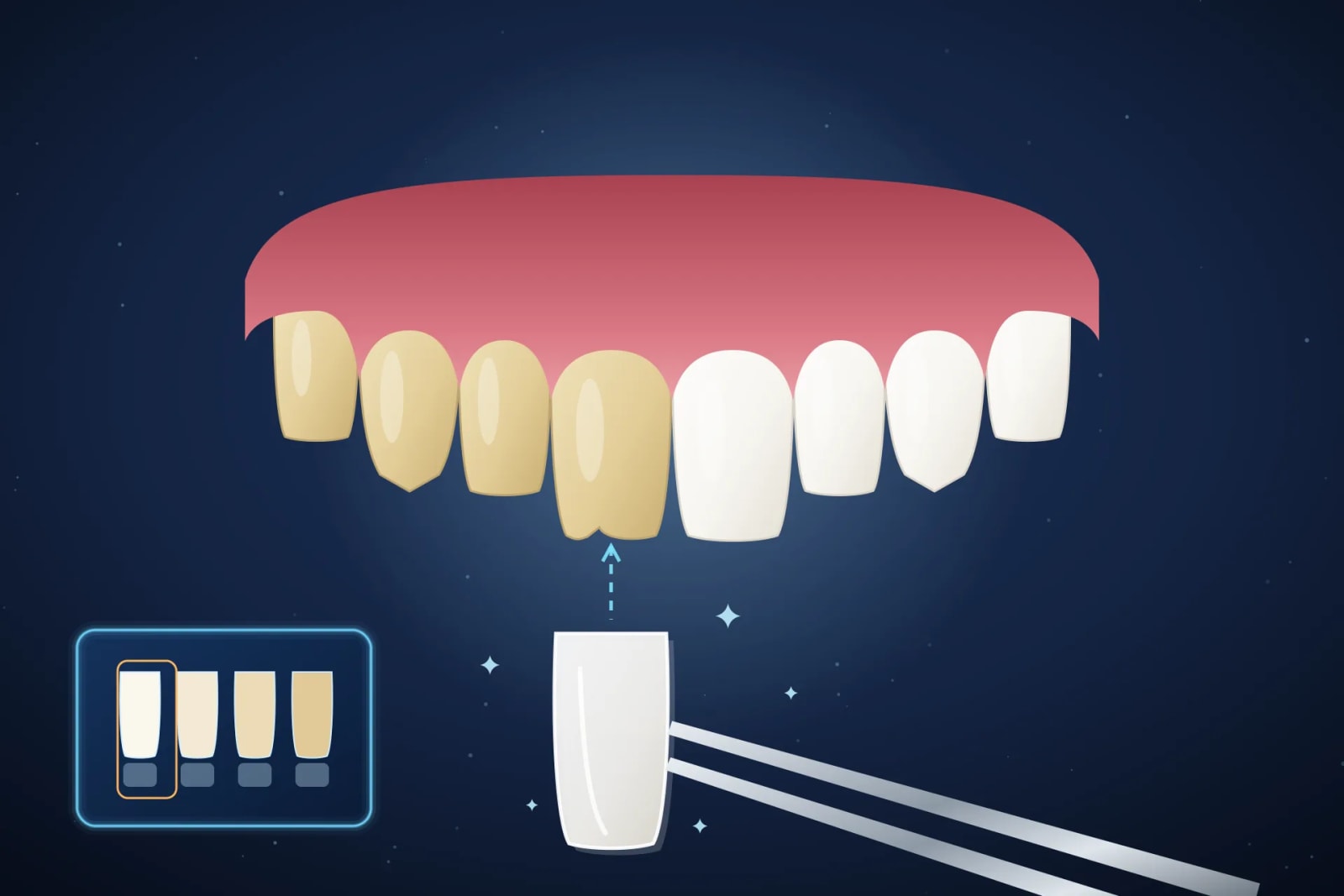
Dental veneers are thin, custom-made shells placed on the front surface of teeth to improve their colour, shape, size and overall appearance. They are commonly used in cosmetic dentistry to create a natural, symmetrical smile. Veneers are:
- Bonded permanently to the front of the teeth
- Designed to look and feel like natural enamel
- Used for aesthetic and minor functional corrections
- Popularly known as part of a “Hollywood smile” makeover
There are two main types: porcelain veneers and composite veneers. They differ in how they are made, how much tooth preparation they need and how long they last.
Why people choose veneers
Veneers are chosen to enhance the look of a smile when other treatments are not enough. Common reasons include:
- Discoloured or stained teeth
- Chipped or worn teeth
- Uneven spacing or minor misalignment
- Irregularly shaped teeth
- Wanting a brighter, more symmetrical smile
Who is a good candidate for veneers?
You may be a good candidate if you have
- Healthy teeth and gums
- Mild to moderate cosmetic concerns
- No active gum disease
- Enough enamel for bonding
- Realistic expectations
Veneers may not be ideal if
- You have severe tooth decay
- You grind your teeth heavily (bruxism) and it isn’t treated
- Your oral hygiene habits are poor
Types of dental veneers
Porcelain veneers
Made from high-quality ceramic materials that closely mimic natural tooth enamel.
- Highly stain-resistant
- Very natural translucency
- Strong and durable
- Need only minimal tooth preparation
- Keep their appearance in the long term
Composite veneers
Made from tooth-coloured resin and often applied directly in a single visit.
- Less invasive than porcelain veneers
- Usually completed in one appointment
- Lower cost than porcelain
- Easier to repair
Advantages and risks
Advantages
- Immediate improvement in appearance
- Natural-looking results
- Long-lasting, especially porcelain
- Less invasive than crowns
- High patient satisfaction
Risks and considerations
- Enamel removal is irreversible
- Possible sensitivity after treatment
- Veneers may chip under excessive force
- Veneers need replacing over time
How the procedure works
Consultation and smile assessment
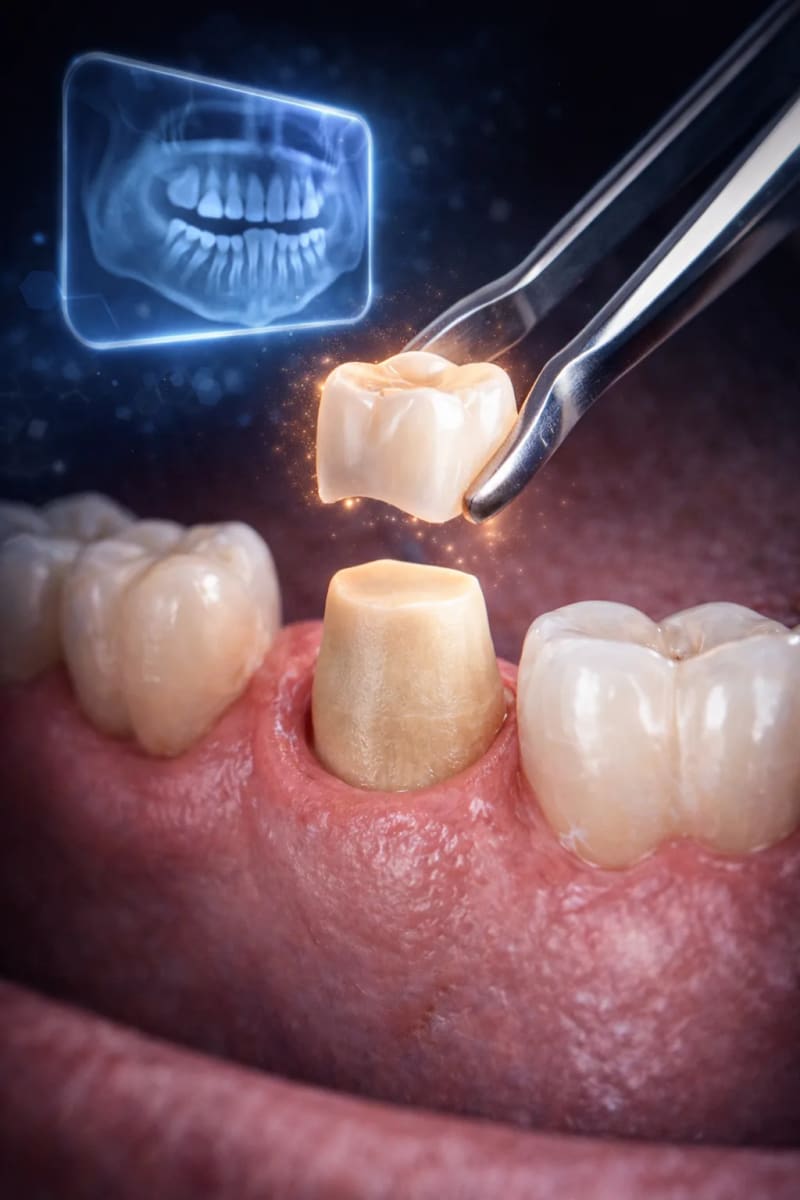
Your dentist evaluates your teeth, bite and overall aesthetics. Photographs, digital scans and X-rays may be used, and your treatment plan is tailored to your facial proportions.
With Lumben, you can upload your dental images and receive an AI-assisted aesthetic suitability analysis before visiting a clinic, saving time and unnecessary appointments.
Tooth preparation
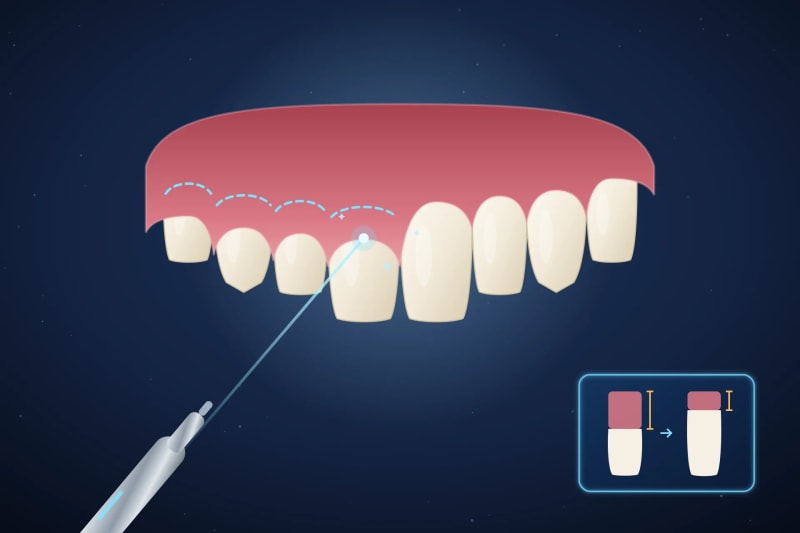
A thin layer of enamel is gently removed, usually 0.3–0.7 mm for porcelain veneers. This gives the veneer a natural thickness and a strong bond.
Impressions and temporary veneers
Digital or physical impressions of your teeth are taken. Temporary veneers may be placed while your final veneers are being made.
Veneer placement
The veneers are bonded using dental adhesive and a curing light (a light that hardens the adhesive). Their shape, bite and colour are adjusted carefully.
Final adjustments
Your veneers are polished and your bite is checked, so the veneers blend naturally with the surrounding teeth.
Aftercare and how long veneers last
To extend the lifespan of your veneers:
- Brush twice a day with a non-abrasive toothpaste
- Floss regularly
- Avoid biting hard objects, such as ice or pens
- Wear a night guard if you grind your teeth
- Keep up routine dental visits
How long do veneers last?
With proper care:
- Porcelain veneers: 10–15+ years
- Composite veneers: 5–7 years
How long yours last depends on your oral hygiene, grinding habits, diet (hard foods and staining substances) and regular dental check-ups.
What affects the cost of veneers?
The cost of veneers varies from person to person. The main factors are:
- Porcelain or composite material
- The number of veneers
- The dentist’s experience
- Whether digital smile design is used
- Your geographic location
Exact prices vary by country and clinic.
Porcelain vs composite veneers
Both types improve the look of your teeth, but they differ in material, preparation, durability and cost.
| Porcelain veneers | Composite veneers | |
|---|---|---|
| Material | High-quality ceramic that mimics natural enamel | Tooth-coloured resin |
| Tooth preparation | A thin layer of enamel is removed (usually 0.3–0.7 mm) | Less invasive than porcelain |
| Appointments | Impressions first; temporary veneers may be worn while the final ones are made | Usually completed in one appointment |
| Staining | Highly stain-resistant | May stain gradually |
| Repairs | Harder to repair than composite | Easier to repair |
| Reversibility | Generally irreversible, because enamel is removed | May be reversible in some cases |
| Cost | Higher than composite | Lower than porcelain |
| Lifespan | 10–15+ years | 5–7 years |
Frequently Asked Questions
Do veneers damage natural teeth?
When properly planned and placed, veneers are considered safe and conservative. For porcelain veneers, a thin layer of enamel is removed, and this can’t be undone.
Are veneers reversible?
Porcelain veneers are generally irreversible, because enamel is removed. Composite veneers may be reversible in some cases.
Do veneers look natural?
Yes. Modern veneers closely mimic natural enamel in colour and translucency.
Can veneers stain over time?
Porcelain veneers are highly stain-resistant. Composite veneers may stain gradually.
How long do veneers last?
With proper care, porcelain veneers last 10–15+ years and composite veneers 5–7 years. Their lifespan depends on your oral hygiene, grinding habits, diet and regular dental check-ups.
Who shouldn’t get veneers?
Veneers may not be ideal if you have severe tooth decay, heavy teeth grinding (bruxism) that isn’t treated, or poor oral hygiene habits.
How much do veneers cost?
The price depends on whether you choose porcelain or composite, the number of veneers, the dentist’s experience, whether digital smile design is used, and your location. Exact prices vary by country and clinic.
AI-Assisted Analysis
Are veneers right for your smile?
Upload your dental images to Lumben. Our AI-assisted system can help assess whether veneers suit your smile goals and guide you towards the right clinic, before your first visit.
Analyse my X-ray →